Percentages describe weight
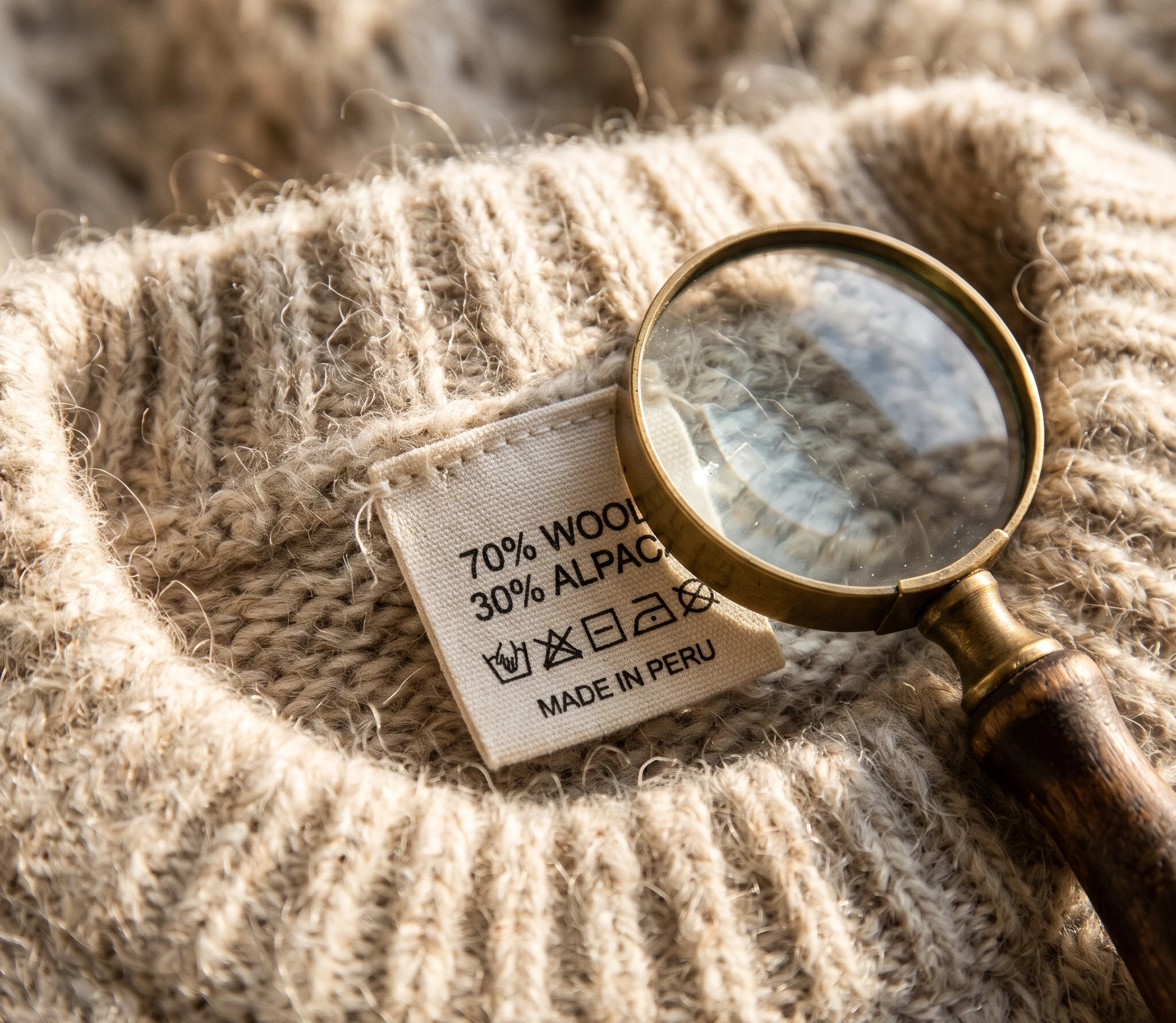
The percentages on a fiber-content label generally state each constituent fiber's share by weight. A label reading 60% cotton and 40% polyester does not mean cotton covers exactly 60% of the surface or contributes exactly 60% of the perceived feel.
The label is still a useful starting point. A larger cotton share may support expectations around moisture absorption and a more natural surface, while added polyester may contribute to faster drying or shape retention. These are tendencies to investigate, not guarantees for an individual garment.
Five things the percentages leave out
A finished fabric is the result of fibers becoming yarn, yarn becoming woven or knitted fabric, and that fabric being dyed and finished. The same blend can behave very differently when any of the following changes.
- Yarn: filament or spun, its size, twist, and hairiness
- Construction: a dense weave versus a loose or elastic knit
- Weight and density: light and open versus heavy and compact
- Finishing: brushing, raising, coating, calendaring, and other treatments
- Garment and use: lining, seams, friction during wear, and laundering
Why feel is hard to reduce to one number
AATCC maintains a dedicated procedure that standardizes how fabric specimens are presented and handled for subjective fabric-hand evaluation. That is a useful reminder that softness, stiffness, and surface character are not automatically determined by the fiber name; meaningful comparison requires the actual fabric under controlled conditions.
MANJEOBOM scores and descriptions are therefore estimates from the information entered, not laboratory test results. When two scores are close, it is safer to read them as a similar range than as a precise ranking.
A better way to shop online
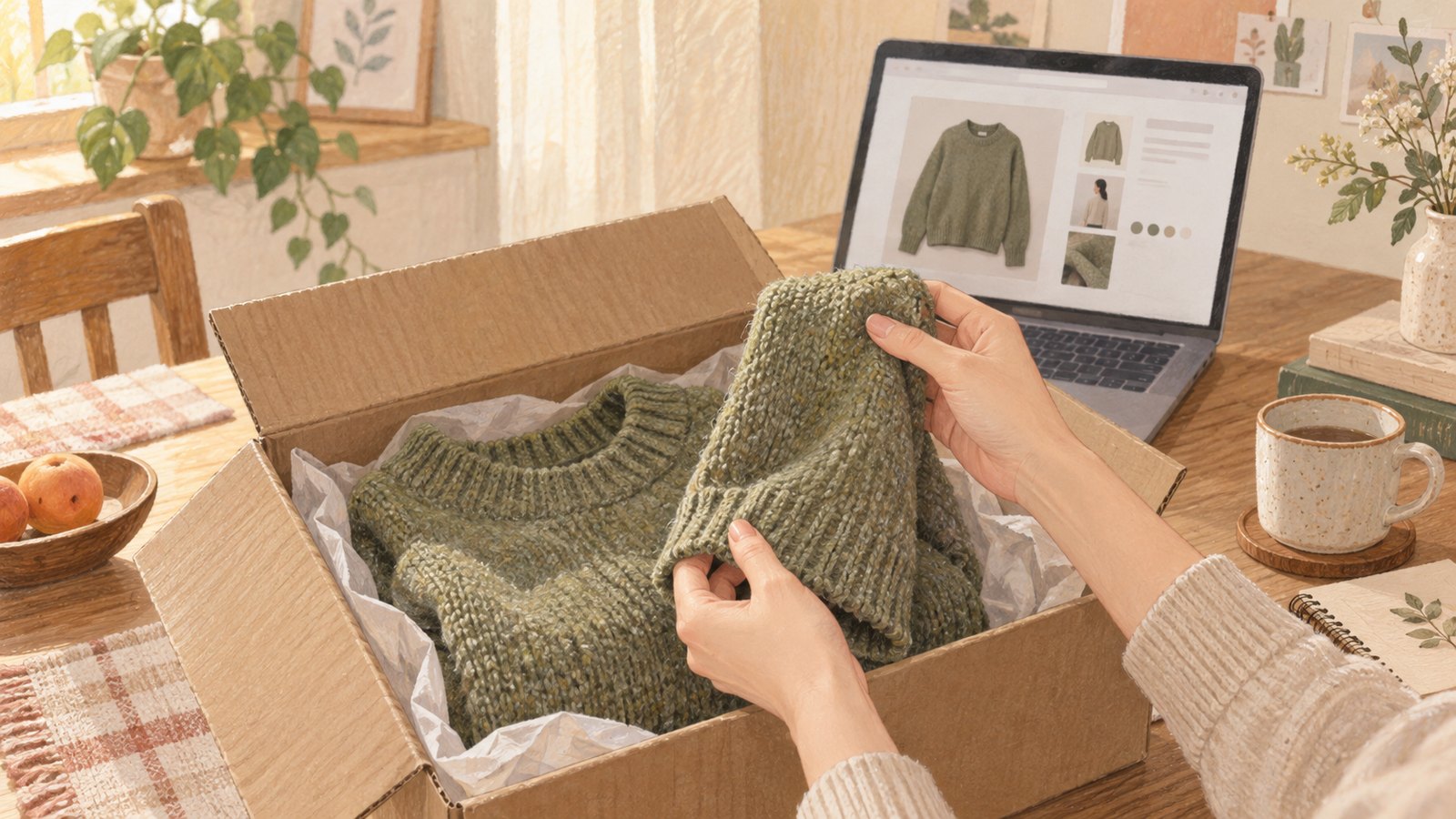
Use the fiber percentages as the first clue, then zoom in on photos for yarn size, surface hair, and openness. Add any listed fabric weight, thickness, construction, or brushed finish, and check the care label and return policy.
Two products with the same blend may deserve different expectations when their photos and specifications differ. When details are missing, look for repeated, concrete observations in reviews rather than treating a broad adjective such as “soft” as a measurement—and allow for personal variation.